The phone numbers below are for service in Korea, IN ENGLISH.
Showing posts with label korea. Show all posts
Showing posts with label korea. Show all posts
Monday, February 27, 2012


Tuesday, November 08, 2011
Sleeping at Incheon Airport
If you've ever glanced out the window flying into Incheon Airport (ICN) before, you might have noticed that it's pretty much in the middle of nowhere. It is, in fact, on its own island. It takes at least an hour to travel to Seoul Station, and that's not even accounting for traffic.
If you have an early morning flight out of ICN - or a late-night arrival - you're probably on the hunt for accommodation close-by. And if you're on a tight schedule (and a budget!) there's no better bet for a quick night's sleep than the airport's own sauna and lounge.

 For a mere 20,000 won (about 18USD) you can shower, soak, and sleep for the night in one of Korea's classiest sauna establishments.
[Note: if you don't want to spend the night, make sure you get to SOA before 8pm, when the price is only 15,000 won.]

SOA features gender-segregated bathhouses with hot and cold pools, dry and wet heat (steam) rooms, and individual shower stalls with frosted glass.


 After winding down, throw on shorts and a t-shirt (provided) and head into the lounge area where couches, lounge chairs or floor mats are available to crash on.

If you want more privacy (or are a loud and chronic snorer!) you can book a private sleeping room for an extra 15,000 won (35,000 total).
If you're traveling in a group, you can book one of two family rooms for 40,000 won (per 12 hours). Each room sleeps up to 5 people.
[Note: This is in addition to the admission cost per person to the sauna.]
The best part: it's actually INSIDE of the airport! (Though not located inside of the secure terminal area; you don't need to be flying to visit.)
TIP: If you're stuck inside of the secure terminal area for a few hours on a layover, there are FREE shower rooms for use. It's reasons like this why Incheon is consistently ranked as one of the world's top airports!
[Spa on Air is located on the East side of the basement (B1) in the Main Terminal, past Cold Stone Creamery and Starbucks.]
To make a reservation for a private room, or for more information, call Spa on Air at 032-743-7042. (For international calls dial +8232-743-7042.)
If you're in the market for a bit more luxury, there are a few hotels and guest-houses nearby ICN, and some of them are actually reasonably priced:
Best Western Premier Incheon Airport (from 115,000 won)
Hyatt Regency Incheon Airport (from 200,000 won)
Incheon Airport Guesthouse (from 50,000 won)
...and a bit further away:
Oceanside Hotel (from 90,000 won)
If you have an early morning flight out of ICN - or a late-night arrival - you're probably on the hunt for accommodation close-by. And if you're on a tight schedule (and a budget!) there's no better bet for a quick night's sleep than the airport's own sauna and lounge.
Spa on Air (SOA)


[Note: if you don't want to spend the night, make sure you get to SOA before 8pm, when the price is only 15,000 won.]
Spa on Air is one of the most expensive saunas I've been to in Korea (most average around 7,000 won), but it's also one of the most regal. The individual semi-private showers with waterfall showerheads are a nice treat, and the all-granite interior lends a quiet elegance to the place.

SOA features gender-segregated bathhouses with hot and cold pools, dry and wet heat (steam) rooms, and individual shower stalls with frosted glass.


 After winding down, throw on shorts and a t-shirt (provided) and head into the lounge area where couches, lounge chairs or floor mats are available to crash on.
If you want more privacy (or are a loud and chronic snorer!) you can book a private sleeping room for an extra 15,000 won (35,000 total).
 |
| Family room (extra bedding available) |
If you're traveling in a group, you can book one of two family rooms for 40,000 won (per 12 hours). Each room sleeps up to 5 people.
[Note: This is in addition to the admission cost per person to the sauna.]
The best part: it's actually INSIDE of the airport! (Though not located inside of the secure terminal area; you don't need to be flying to visit.)
TIP: If you're stuck inside of the secure terminal area for a few hours on a layover, there are FREE shower rooms for use. It's reasons like this why Incheon is consistently ranked as one of the world's top airports!
[Spa on Air is located on the East side of the basement (B1) in the Main Terminal, past Cold Stone Creamery and Starbucks.]
To make a reservation for a private room, or for more information, call Spa on Air at 032-743-7042. (For international calls dial +8232-743-7042.)
If you're in the market for a bit more luxury, there are a few hotels and guest-houses nearby ICN, and some of them are actually reasonably priced:
Best Western Premier Incheon Airport (from 115,000 won)
Hyatt Regency Incheon Airport (from 200,000 won)
Incheon Airport Guesthouse (from 50,000 won)
...and a bit further away:
Oceanside Hotel (from 90,000 won)
Monday, October 10, 2011
"Management Training"
On Friday the English department at the university had its annual MT, or "management training" retreat.
The MT is, in theory, a time for the fourth-year English majors to co-mingle with all of the incoming freshmen, and to inculcate in them the honorable traditions passed down to them throughout generations.
In reality, it's the night where freshmen students learn how to get really drunk. And not just with their senior counterparts, but also with...wait for it...their professors.
The afternoon started out quite tamely. The students had rented a "pension" (Konglish for a rental house that sleeps a dozen or more) out in the middle of nowhere and carted in a busload of booze, meat, and, well, fresh meat. There were six foreign professors in attendance. While the seniors grilled up stacks of sliced pork, we taught a few of the freshmen how to throw a frisbee and taught them an impromptu game we made up that involved large cardboard tubes, a frisbee, and drinking.
Later we played some games that the freshman organizers planned, such as:
I'm not sure what the winner got, which means there must have been some less-than-forthright-judging methods, because I - of course - performed spectacularly.
The night also included much karaoke, cake, dancing, and this guy:
He and his friend sang this song anytime someone was forced to drink in any game they were playing. Which was pretty much every turn of every game.
The MT is, in theory, a time for the fourth-year English majors to co-mingle with all of the incoming freshmen, and to inculcate in them the honorable traditions passed down to them throughout generations.
In reality, it's the night where freshmen students learn how to get really drunk. And not just with their senior counterparts, but also with...wait for it...their professors.
The afternoon started out quite tamely. The students had rented a "pension" (Konglish for a rental house that sleeps a dozen or more) out in the middle of nowhere and carted in a busload of booze, meat, and, well, fresh meat. There were six foreign professors in attendance. While the seniors grilled up stacks of sliced pork, we taught a few of the freshmen how to throw a frisbee and taught them an impromptu game we made up that involved large cardboard tubes, a frisbee, and drinking.
Later we played some games that the freshman organizers planned, such as:
- "Contest Line of Eating Foods that Should Not be Eaten by Themselves, Like Onions, Garlic, and Hot Peppers,"
- "Rolling Dice and Moving Pieces of Tape on a Large Circular Piece of Paper,"
- "Drinking Random Cups of Liquid,"and
- "Blowing Up Balloons and Drawing Faces on Them" (I don't think this last one was a game but rather just a waste of balloons.)
We also played a team game in which the organizer would yell out a word or name ("Elephant!" "King Kong!" "Super Junior!"), and all eight blindfolded team members would pose. More people doing the same pose meant more points.
I'm not sure what the winner got, which means there must have been some less-than-forthright-judging methods, because I - of course - performed spectacularly.
The night also included much karaoke, cake, dancing, and this guy:
He and his friend sang this song anytime someone was forced to drink in any game they were playing. Which was pretty much every turn of every game.
Saturday, June 18, 2011
In Support of Public Intoxication
Drinking is a big part of Korean culture - that's not news. Drinking is heavily encouraged almost everywhere.
Public intoxication is not a crime here (or if it is, it is never enforced). It's not uncommon to see grown men passed out in parks or on the sidewalk. Hiking groups carry soju and beer with them on the hike to drink along the way. Beer is sold on trains and in bus stations for the ride.
Perhaps one of the most transparent endorsements of public drinking is the attitudes of convenience store owners. They keep corkscrews and bottle openers behind the counter, so you don't have to wait until you get home to enjoy your adult beverage. You can drink it on your way out the door.

Thursday, June 09, 2011

Wednesday, June 08, 2011
Korean Flight Attendants


In Korea, however, where discrimination based on appearance is smiled upon, the attraction is still alive and well. Young Korean girls dream of growing tall enough and pretty enough to fly the skies with Korean Air. Their beauty, grace, and impeccable grooming is internationally renowned, as it is for many Asian carriers.
Several universities in Korea actually offer a "flight attendant" major, where (girl only!) students can practice their manners, dress and geography skills to perfection.
At Uiduk university, the freshmen are required to stand by the front entrance at times, in their standard student uniforms, to greet every car and/or pedestrian that enters the campus.
Mud Festival: Keep your Shirt On
I went out to Boryeong over the weekend with a couple of friends to make arrangements for the Boryeong Mud Festival trip in July.
Along the beach the city council had posted entries in a photo contest from last year's mud festival. There were probably three dozen photos in total, and all of them were quite good. Most focused on foreigners enjoying themselves in the mud.
One of the pictures, though, was a bit surprising.
 |
| The actual photo isn't blurred |
Justin brought up the issue of privacy, which is always heavily guarded in Korean society. If this were a picture of a Korean girl it would NEVER get posted. This is true. Koreans tend to think of foreigners as a funny sideshow, without rights or feelings of our own.
But then again, Korean girls don't flash strangers.
It's not surprising that girls do this at mudfest. Some girls get drunk and like to flash people. Big deal. If you want to take a picture of some poor drunk girl's breasts and keep it for your own personal records, that's fine by me (and apparently her).
I don't know if the photographer had the girl's permission to share the photo. But to post it along the beachfront in a photo contest is in extremely poor taste.
Friday, May 27, 2011
Soccer Tennis - 족구
I used to go to a lot of pretty intense soccer camps when I was younger. During breaks we would pass time by inventing new games with a soccer ball, from juggling competitions to obstacle courses. A common favorite was soccer tennis, played two-a-side on a regular tennis court.
I was somewhat familiar with sepak takraw, the SE Asian sport played with a small wicker ball over a volleyball net.
But I never considered soccer tennis more than a distraction during times when we weren't actually playing soccer.
It turns out that it's a real sport all on its own.
On a sunny day you will find a group of old-ish men playing the game leisurely (though the games often get quite heated) in many parks around Korea. But it's not just old people who play. Koreans take soccer tennis (called "jok-gu" [족구] in Korean) very seriously.
Last weekend my soccer team was booked on a pitch next to a 족구 tournament, where teams of four uniformed players squared off against each other on a series of lined turf courts. Each team had a coach, and each match had three referees officiating. Some of the teams were amazing to watch, with flying kicks and spins and smash winners every other play.
I never knew it was such a serious sport. And not only in Korea, either. Apparently the origins of the global sport date back to as early as the 1920's. I feel like I completely missed the boat on this one.
http://www.soccertennis.org/
 |
| Sepak takraw in Myanmar |
But I never considered soccer tennis more than a distraction during times when we weren't actually playing soccer.
It turns out that it's a real sport all on its own.
On a sunny day you will find a group of old-ish men playing the game leisurely (though the games often get quite heated) in many parks around Korea. But it's not just old people who play. Koreans take soccer tennis (called "jok-gu" [족구] in Korean) very seriously.
Last weekend my soccer team was booked on a pitch next to a 족구 tournament, where teams of four uniformed players squared off against each other on a series of lined turf courts. Each team had a coach, and each match had three referees officiating. Some of the teams were amazing to watch, with flying kicks and spins and smash winners every other play.
I never knew it was such a serious sport. And not only in Korea, either. Apparently the origins of the global sport date back to as early as the 1920's. I feel like I completely missed the boat on this one.
http://www.soccertennis.org/
Monday, May 23, 2011
Energy Conservation - in English only, please!

If you care about the environment, then let's hope you speak English! Or maybe POSTECH is just trying to keep foreigners off the road, under the guise of being green...?
Wednesday, April 20, 2011
Driving in Korea: Traffic Cameras
One of the worst things about driving in the US is the paranoia. It often seems that the main duty of police departments in many states is to trap and ticket errant speeders - on the highway, in the city, or on a dirt road behind your house. No matter where you go, a cop has the jurisdiction to pull you over and give you a ticket. They lie in wait - in hiding - for HOURS, as if speeding were the nation's biggest crime problem. (It's obviously not, and everyone knows that it's how police departments get paid. In a budget crunch there are suddenly more fast drivers on the road!)

Speeding is not a problem. It seems much more dangerous for speeding drivers to be constantly distracted, worried that every shadow and light flash on the road is their next ticket, braking and speeding and changing gears and lanes, always attempting to outsmart or outspeed the law.
Korean cops don't really bother with traffic violations, at least on the scale that their American counterparts do. The police officers that are on patrol serve more as a reminder that they're around than a threat of any particular action. Though I've heard it's possible, I have NEVER seen a Korean cop in hiding, trying to catch an unsuspecting traffic violator. Police cars here literally do not turn off their red-and-whites. Ever. It's as if they are actually trying to PREVENT crime - imagine that! - drawing attention to their presence instead of slinking around in shadows and trying to catch you red-handed.
Perhaps this is material for another post. I'm slightly off-topic here.
Cameras have replaced cops in Korea as the babysitters of the roadway. Speeding is controlled almost exclusively by CCTV. Cameras with radar guns are mounted above the street at varying intervals to take pictures of speeding violators as they pass. Tickets are mailed to the driver.

Korea doesn't even try to hide the cameras - not only are they out in plain site, there are street signs WARNING you of their presence ("Police Enforcement CCTV in 200m"). GPS units - a staple in virtually every Korean car nowadays - warn you when they are approaching and tell you when to slow down.
[If you're speeding, the GPS flashes red and beeps to warn you that a camera is approaching - the red exclamation point in the video - and stops once you pass under it.]
Though this kind of enforcement might never fly in the US (*sob* violation of privacy!), it works for Korea. It's a pain in the ass to keep speeding up and slowing down every few kilometers, so drivers tend to maintain a consistent pace. It actually makes the police force seem like they're trying to solve a dangerous situation, instead of using a dangerous situation purely as a money-making scheme.

Speeding is not a problem. It seems much more dangerous for speeding drivers to be constantly distracted, worried that every shadow and light flash on the road is their next ticket, braking and speeding and changing gears and lanes, always attempting to outsmart or outspeed the law.
Korean cops don't really bother with traffic violations, at least on the scale that their American counterparts do. The police officers that are on patrol serve more as a reminder that they're around than a threat of any particular action. Though I've heard it's possible, I have NEVER seen a Korean cop in hiding, trying to catch an unsuspecting traffic violator. Police cars here literally do not turn off their red-and-whites. Ever. It's as if they are actually trying to PREVENT crime - imagine that! - drawing attention to their presence instead of slinking around in shadows and trying to catch you red-handed.
Perhaps this is material for another post. I'm slightly off-topic here.
Cameras have replaced cops in Korea as the babysitters of the roadway. Speeding is controlled almost exclusively by CCTV. Cameras with radar guns are mounted above the street at varying intervals to take pictures of speeding violators as they pass. Tickets are mailed to the driver.

Korea doesn't even try to hide the cameras - not only are they out in plain site, there are street signs WARNING you of their presence ("Police Enforcement CCTV in 200m"). GPS units - a staple in virtually every Korean car nowadays - warn you when they are approaching and tell you when to slow down.
[If you're speeding, the GPS flashes red and beeps to warn you that a camera is approaching - the red exclamation point in the video - and stops once you pass under it.]
Though this kind of enforcement might never fly in the US (*sob* violation of privacy!), it works for Korea. It's a pain in the ass to keep speeding up and slowing down every few kilometers, so drivers tend to maintain a consistent pace. It actually makes the police force seem like they're trying to solve a dangerous situation, instead of using a dangerous situation purely as a money-making scheme.
Wednesday, April 06, 2011
Double Parked
 Last night I came out of a friend's apartment building to discover my car trapped behind a double-parked sedan. To make matters worse, there were empty parking spots on both sides of me! Back home in the US, I might have been excused for whatever crime of passion this discovery drove me to.
But in Korea, where space comes at a premium (population density is 15 times higher than in the US), it's really not such a big deal. Double parking is such a common practice that people post their cell phone number on their windshield so that trapped drivers can call them when they want to leave.
So I was only mildly annoyed when I found myself blocked in, in anticipation of the struggle to communicate my dilemma in Korean over the phone and then wait for the owner to come down and move his car three feet in either direction.
But then I actually took a glance around the offending car. He hadn't posted his cell phone number anywhere, the jerk! I stole a quick look to see if anyone was in earshot of a shattering windshield. The security guard in his nearby quarters put a swift end to that idea. I decided instead to knock on the guard's door. This seemed a situation that warranted some official police-like action.
He seemed quite surprised to see me, even after I explained the circumstances. He shook his head, and put his hands out in front of him and moved them forward in a motion that suggested pushing. Alright! I almost shouted. Let's go kick his ass!
But then I realized he wasn't talking about pushing the owner around. He was talking about the vehicle.
The car was, in fact, unlocked. The parking brake was off. And the car was in neutral. I could have done a lot more than shatter the guy's windshield. I could have pushed his car off a goddamn cliff. (For the record, I didn't.)
His car slid out of the way with such a gentle nudge that it should have been a crime.
Saturday, March 26, 2011
Saunas and Jjimjilbangs [찜질방] in Korea
You gotta love Korean bathhouse culture. Sure, it can be a shock at first. *Gasp!* The Nudity! But with an open mind and a free spirit (a touch of near-sightedness doesn't hurt), being naked in a room full of other naked people can quickly become second nature.
When I arrived in Korea 2+ years ago, for example, I never expected that I would ever be able to utter the following statement with a straight face:
Getting a full-body naked scrub-down from a Korean man in his underwear is pretty damn awesome.
Now it's pretty much one of the first things I say when I meet people.

Recently, while visiting a jjimjilbang with a friend, I shared my vision for a website (in English) that catalogued and ranked all of the jjimjilbangs throughout Korea. It would be a place for foreigners to find new and exciting nudist experiences throughout the country - indoor, outdoor, milk baths, tea baths, salt, sodium bicarbonate, whirlpools, massage baths, ice rooms, hot rooms, steam rooms, and, well, should I go on?
Then - today - I found one.
Jjimjilbang and Saunas in Korea
Tagged by location and descriptors like 'nice view' and 'fitness center', the reviews are pretty easy to search, and include plenty of pictures and access information. So far the scope and number of places reviewed looks pretty limited - 8 in Busan, 6 in Daegu, 6 in Seoul, and a few further afield - but it's a great starting point.
If you'd like to contribute reviews to the site, the author - Sophia - has posted her email on the homepage.
So throw off your inhibition and underwear and head for the door - there's a lot of scrubbing to be done.
When I arrived in Korea 2+ years ago, for example, I never expected that I would ever be able to utter the following statement with a straight face:
Getting a full-body naked scrub-down from a Korean man in his underwear is pretty damn awesome.
Now it's pretty much one of the first things I say when I meet people.

Recently, while visiting a jjimjilbang with a friend, I shared my vision for a website (in English) that catalogued and ranked all of the jjimjilbangs throughout Korea. It would be a place for foreigners to find new and exciting nudist experiences throughout the country - indoor, outdoor, milk baths, tea baths, salt, sodium bicarbonate, whirlpools, massage baths, ice rooms, hot rooms, steam rooms, and, well, should I go on?
Then - today - I found one.
Jjimjilbang and Saunas in Korea
Tagged by location and descriptors like 'nice view' and 'fitness center', the reviews are pretty easy to search, and include plenty of pictures and access information. So far the scope and number of places reviewed looks pretty limited - 8 in Busan, 6 in Daegu, 6 in Seoul, and a few further afield - but it's a great starting point.
If you'd like to contribute reviews to the site, the author - Sophia - has posted her email on the homepage.
So throw off your inhibition and underwear and head for the door - there's a lot of scrubbing to be done.
Monday, March 21, 2011
Drinking? Hire a Designated Driver!
The drinking culture is alive and, well, drunk in Korea. Couple that with the fact that almost everyone has a car, and you can see where things have the potential to go. So what's a man to do when he wants to go out and get smashed, but doesn't want to leave his car at the bar?

Enter: The Designated Driver for Hire
In many Korean cities and towns there is a service called Daeri Unjeon [대리운전] (lit: "substitute driver"). When you're ready to go home, the substitute driver will show up at your place of drinking and drive you home - in your own car. Someone else will come to pick up the driver later.
The kicker: When I used the 대리운전 for the first time over the weekend, it was the same price as a taxi. Exactly.
Apparently this service is catching on in some US cities as well.
The next time you're at the bar, ask the staff for the number for a substitute driver, and store it in your phone. You never know when you might need it.

Enter: The Designated Driver for Hire
In many Korean cities and towns there is a service called Daeri Unjeon [대리운전] (lit: "substitute driver"). When you're ready to go home, the substitute driver will show up at your place of drinking and drive you home - in your own car. Someone else will come to pick up the driver later.
The kicker: When I used the 대리운전 for the first time over the weekend, it was the same price as a taxi. Exactly.
Apparently this service is catching on in some US cities as well.
The next time you're at the bar, ask the staff for the number for a substitute driver, and store it in your phone. You never know when you might need it.
Get a University Job in Korea (and...shhh...without an MA!)
The EFL business has been booming in Korea for the last ten years, and it isn't letting up. EPIK has been increasing recruits, new private academies are opening every day, and foreign teachers are still arriving by the planeload.
But with the global economy in a recession, teaching English abroad has suddenly become much more attractive. The market is competitive - two years ago getting a teaching job in Korea was as simple as applying. Now stories of EPIK or private academy applicants being turned away are increasingly common.
Which makes scoring a university gig - among the most coveted of positions in the EFL world - seem like a pipe dream. Particularly if you don't have a Master's degree.
But there's hope. You don't need an MA, or even an English degree, to get a job teaching in a Korean university. Perhaps it's a sad reality, but often the only thing required is a foreign face and a university degree.
It helps if you have one or more of the following:
 1. Friends
There are LOTS of universities in Korea, and many of them do not post job openings online. Some of them don't even have websites. Many small universities in Korea don't have the staff or time to spend filing through a long list of applicants. They want to hire someone quickly, and without much ado. Knowing someone who already works in a university is the easiest way to get your name on the top of the hiring list.
Which brings me to number 2.
2. Persistence
 If you don't know someone who works in a university, find someone. Visit the English department at a university and introduce yourself to someone - Korean or foreign - and let them know who you are.
A friend of mine got a university job at a uni on a certain Korean island by looking up an email list of professors and firing off a couple of messages to let professors know that he would be visiting and wanted to sit down for a chat. Although the university wasn't hiring at the time, he kept in touch with his contacts there and when a position did open up, he was already in the loop. The professors knew him, and could put a face to his name.
There are 4 kinds of experience that matter:
- Teaching English
- Teaching in Korea
- Teaching adults (high school or older)
- Teaching in a public school
I'll be honest - you probably won't be able to get a university job without at least a year of prior teaching experience. If you don't have a Master's degree, don't expect to move to Korea with a university job. You'll probably need a year or two of experience here before they'll consider you.

3. Luck
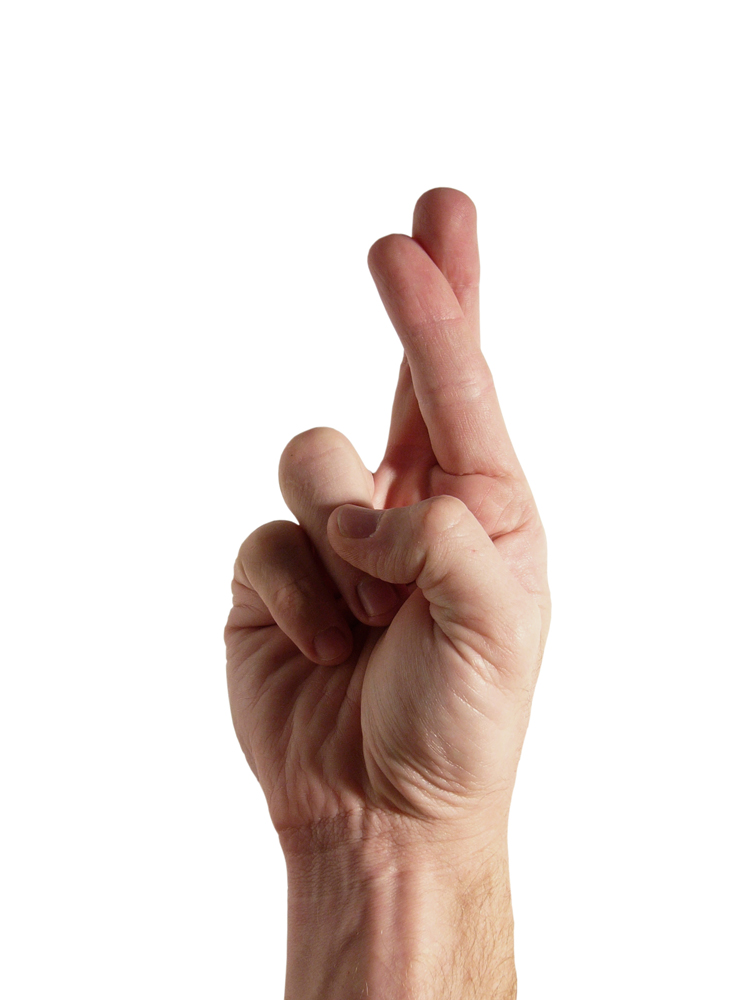
Call it what you will - fortune, timing, destiny - sometimes getting the job has nothing to do with qualifications. It is all about being in the right place in the right time. Every Korean university operates a little differently - and hiring decisions are up to the specific department head. So cross your fingers, throw your chips in the pot, and hope for the best.
(A little bribery never hurt anyone, either ;) )
But with the global economy in a recession, teaching English abroad has suddenly become much more attractive. The market is competitive - two years ago getting a teaching job in Korea was as simple as applying. Now stories of EPIK or private academy applicants being turned away are increasingly common.
Which makes scoring a university gig - among the most coveted of positions in the EFL world - seem like a pipe dream. Particularly if you don't have a Master's degree.
But there's hope. You don't need an MA, or even an English degree, to get a job teaching in a Korean university. Perhaps it's a sad reality, but often the only thing required is a foreign face and a university degree.
You Can Get a University Job in Korea
Without a Master's Degree!
It helps if you have one or more of the following:

There are LOTS of universities in Korea, and many of them do not post job openings online. Some of them don't even have websites. Many small universities in Korea don't have the staff or time to spend filing through a long list of applicants. They want to hire someone quickly, and without much ado. Knowing someone who already works in a university is the easiest way to get your name on the top of the hiring list.
Which brings me to number 2.
2. Persistence

A friend of mine got a university job at a uni on a certain Korean island by looking up an email list of professors and firing off a couple of messages to let professors know that he would be visiting and wanted to sit down for a chat. Although the university wasn't hiring at the time, he kept in touch with his contacts there and when a position did open up, he was already in the loop. The professors knew him, and could put a face to his name.
3. Experience
There are 4 kinds of experience that matter:
- Teaching English
- Teaching in Korea
- Teaching adults (high school or older)
- Teaching in a public school
I'll be honest - you probably won't be able to get a university job without at least a year of prior teaching experience. If you don't have a Master's degree, don't expect to move to Korea with a university job. You'll probably need a year or two of experience here before they'll consider you.
3. Luck
Call it what you will - fortune, timing, destiny - sometimes getting the job has nothing to do with qualifications. It is all about being in the right place in the right time. Every Korean university operates a little differently - and hiring decisions are up to the specific department head. So cross your fingers, throw your chips in the pot, and hope for the best.
(A little bribery never hurt anyone, either ;) )
Wednesday, January 26, 2011
Korean Text Message (SMS) Slang
I taught a couple of my students some English SMS (text message) abbreviations the other day - btw, idk, brb, ttyl, etc. - and they in return they taught me a little bit about the art of the Korean text message. Many of these I knew already, but I did pick up a few new tricks.
Some of these are common in spoken language as well, but this is primarily a list of slang expressions used in chat rooms and text messages.
If you know of any more, please add them in the comments!
ㅎㅎ
ㅋㅋㅋ
ㅋㄷㅋㄷ
Laughing
ㄷㄷㄷ
Trembling from fear, maybe the sound of teeth chattering (deu-deu-deu). [from 덜덜]
ㅂㅂ
Bye-bye.
ㅇㅋ
OK
ㅇㅇ
Yes / I understand / I agree / Shut up (ng ng)
ㄴㄴ
No no.
ㅎㅇ
Hi. Short for 하이.
ㅗ
This can be used as a middle finger.
ㄱ ㅅ
Thanks (short for 감사합니다).
ㄱㅊ
It's OK (short for 괸찮아).
쩐다
Expression of anger, excitement, happiness, or any intense emotion. Kind of like "damn!", though it's not a bad word.
샘
Teacher (short for 선생님).
Happy face. By far the most common Korean emoticon in existence.
ㅠㅠ or ㅠ.ㅠ
Sad / Crying face. Perhaps a close second to ^^. Korean girls are very dramatic.
OTL
This is an entire crying person, who is so distraught he's on his hands and knees.
ㅡ ㅡ
Angry face.
ㅇㅅㅇ
Cute face.
Some of these are common in spoken language as well, but this is primarily a list of slang expressions used in chat rooms and text messages.
If you know of any more, please add them in the comments!
ㅎㅎ
ㅋㅋㅋ
ㅋㄷㅋㄷ
Laughing
ㄷㄷㄷ
Trembling from fear, maybe the sound of teeth chattering (deu-deu-deu). [from 덜덜]
ㅂㅂ
Bye-bye.
ㅇㅋ
OK
ㅇㅇ
Yes / I understand / I agree / Shut up (ng ng)
ㄴㄴ
No no.
ㅎㅇ
Hi. Short for 하이.
ㅗ
This can be used as a middle finger.
ㄱ ㅅ
Thanks (short for 감사합니다).
ㄱㅊ
It's OK (short for 괸찮아).
쩐다
Expression of anger, excitement, happiness, or any intense emotion. Kind of like "damn!", though it's not a bad word.
샘
Teacher (short for 선생님).
Korean Emoticons
(Used often by girls in particular)
^^Happy face. By far the most common Korean emoticon in existence.
ㅠㅠ or ㅠ.ㅠ
Sad / Crying face. Perhaps a close second to ^^. Korean girls are very dramatic.
OTL
This is an entire crying person, who is so distraught he's on his hands and knees.
ㅡ ㅡ
Angry face.
ㅇㅅㅇ
Cute face.
(ㅡ_ㅡ)Zzzz
Sleeping.
This funny clip from 거침없이 하이킥 (High Kick) explains a few more in detail.
Monday, January 24, 2011
Get Travel Directions in Korea
 I've seen some questions lately in Korea forums about getting directions.
If you don't know already, there is a FREE travel helpline for foreigners in Korea (in English, Chinese, and Japanese).
(Area code) + 1330
They can give you information from bus timetables to Mexican restaurant locations nearby, and in my experience they are generally on - or very close to - the money.
You MUST dial the local area code (02 for Seoul, 054 for Gyeongbuk, etc.) + 1330.
If you're dial the wrong area code, they won't be able to help you. If you're in Seoul and call 052-1330, they will tell you to hang up and call the Seoul extension.
Korea area codes
 Seoul 02
Gyeonggi 031
Incheon 032
Gangwon 033
Busan 051
Daegu 053
Jeju 064
Daejeon 042
Ulsan 052
Gwangju 062
Gyeongnam 055
Gyeongbuk 054
Jeonnam 061
Jeonbuk 063
Chungnam 041
Chungbuk 043
Publish Your Travel Articles
You can find more places to publish travel writing in an updated post here.
It's divided into three sections: General Travel, Asia Travel, and Korea.
Check back for updates.
General Travel
 Matador Network
"The world's largest independent travel magazine" consists of 12 blogs, each with a different focus such as sports, traveling for change, and destination guides.
To contribute, read the full submission guidelines and upload an article on their contributors' page.

Draft guidelines:
1. Write an original draft that does not exceed 2,000 words.
Do not send an article that has already been published somewhere else, including any work that has been published as a blog.
2. Check your spelling, punctuation, grammar, and — important — facts. Submissions sent with numerous errors are unprofessional and will not be considered for publication.
3. Submissions received without all the accompanying information requested on the submission form will not be considered.
4. Do not include photos in your submission. If you have photos you’d like the editors to consider, please include a link to an online photo album in your draft. The same applies for photographers interested in submitting materials for a photo essay.
Matador Network pays $25 (Paypal) for published articles.
BootsnAll
 A "one-stop indie travel guide," BootsnAll.com publishes
 - Feature Articles ($50)
- Expert Travel Articles ($30)
- Travel Essays ($20-40)
(Click on the links for guidelines specific to each.)
BootsnAll is looking for feature articles related to travel, which appeal to a wide audience (rather than an audience specific to people researching one destination). Articles can certainly be about one specific destination, as long as the theme or topic might interest a broad group of people. Large and famous cities and places do have some potential if your angle is really unique and attention-getting, but lesser-known places just don’t have a large enough audience on our site.
Feature Article Requirements & Rights Information
- Word Count: 1200-1600 words is preferred, though the word count will actually relate more to the topic of the article and to the number of points covered within it. We will generally accept anything from 1200-2800.
- Pay: $50 upon publication.
- Photos: One big, beautiful, eye-catching photo (that tells the same story as the text) is required for each item on your list. The photos don’t have to be yours - they just need to be Creative Commons licensed.
- Publication Rights: We are only interested in articles that aren’t yet published, and BootsnAll owns all future rights to the paid pieces you publish through us. If you prefer to maintain future rights, please submit your article through our unpaid articles program.
Asia Travel
Action Asia
"At the forefront of adventure travel since its inception in 1992, Action Asia is a 'must read' for outdoors types who want to do more with their time off than simply hang out on a crowded beach."
Action Asia does accept unsolicited submissions but please note the following points on the content:
- It should be based in Asia (though we stretch the definition to take in Australia, NZ, Siberia, Central Asia and even parts of the Middle East).
- It should be adventure-based - bikes and hikes not buses and trains; boarding in the surf not boarding a cruise.
- Great pictures are crucial. They need to be available as large files too. At 300dpi, a typical double-page spread pic is tens of Mb and even small spot pics are 1-2Mb minimum.
- It should be as edgy and off-the-beaten-track as possible eg. no general travelogues on the 'adventure' of discovering Thailand please. It has been discovered. Tell me how you biked the entire coastline or helped open up some new climbing routes. As a further pointer, places such as much of China and India, Central Asia, Papua New Guinea and the more remote Indonesian and Philipine islands would all make good subjects.

If you have a story that fits these requirements, send the text and some sample low res pics to Steve White (Editor-in-Chief) at aa@bluincmedia.com.
Action Asia typically pays $100 per page for a package of words & photographs.
Article length depends on the content and its location in the magazine, but they generally accept pieces between 500 and 1500 words.
Action Asia typically pays $100 per page for a package of words & photographs.
Korea

From their submissions page:
If you would like to become a contributor for 10 Magazine’s blog or website, just send an email to contribute@10magazine.asia, and tell us how you would like to contribute. Some ideas:
Article photography
Writing Articles
Blog entries
Website management
Vlogging
Video editing
Here are some additional guidelines from Assistant Editor David Carruth:
1) We prefer receiving a query first to establish the possibility of an article but will consider completed article submissions. However, interested writers should know that they may have to edit their article considerably to meet our standards and formatting requirements.
2) We're looking for anyone who is passionate about living in Korea and sharing their experiences and expertise with others.
3) Most of our feature articles are written by volunteers and freelancers. Other content is usually written by the staff.
4) As most of our writers and photographers are not legally able to be compensated for their submissions, 10 Magazine does not generally pay its contributors, though we do sometimes offer gift certificates of various kinds.
2) We're looking for anyone who is passionate about living in Korea and sharing their experiences and expertise with others.
3) Most of our feature articles are written by volunteers and freelancers. Other content is usually written by the staff.
4) As most of our writers and photographers are not legally able to be compensated for their submissions, 10 Magazine does not generally pay its contributors, though we do sometimes offer gift certificates of various kinds.
Article length depends on the content and its location in the magazine, but they generally accept pieces between 500 and 1500 words.
Thursday, January 13, 2011
Marco Polo In the Classroom, or, "Oh my God there's so much blood!"
It started innocently enough. I just wanted to plan a simple classroom game that got the students to move but required them to use English to play.
If you never played "Marco Polo" in the swimming pool when you were younger, well, you probably didn't grow up in America. Marco Polo is a blind-man tag game based on hearing only. In the game, one kid - eyes closed - is "It". Whenever he yells "Marco!" the rest of the players must yell "Polo!", unless they are underwater. When "It" finds and tags another player, that kid becomes "It" and the game continues until Mom is ready to go home or someone wants to play a better game like "Sharks and Minnows".
I thought this was a great set-up for an English-speaking game in the classroom. In "Classroom Marco Polo", one kid is "It". Everyone moves around in a designated space until "It" yells "Stop!" Then "It" must ask a practiced question like "What's your name?" or "What's your favorite food?" The other players must answer as many times as the question is asked.

Unfortunately, whenever you let repressed, over-disciplined high school students - especially boys - loose in a game that involves blindness and physical contact, accidents are bound to happen. Glasses will get knocked across the room; kids will fall down; and one boy will swing his hand around wildly until he punches another boy in the mouth and splits his lip, which erupts into a crimson geyser across tables, chairs, and the floor. Seriously. So much blood.
I slowed down the bleeding with a wad of toilet paper and took the boy to the teacher's office, where they called his mom. All I really understood from the rushed conversation was "waygook shigan", or "foreigner time", so I had to fill in the rest of the conversation for myself. It went something like
"Hi, this is I-dong High School. Your son was in class with our foreigner-in-residence and now he's bleeding to death. Please come pick him up."
Personally, I didn't think the cut looked that bad. It just bled a lot. But I saw him the next day, after his visit to the hospital, and his lip was bandaged up so heavily he could barely speak.
Classroom Marco Polo Rule #1: No punching.
If you never played "Marco Polo" in the swimming pool when you were younger, well, you probably didn't grow up in America. Marco Polo is a blind-man tag game based on hearing only. In the game, one kid - eyes closed - is "It". Whenever he yells "Marco!" the rest of the players must yell "Polo!", unless they are underwater. When "It" finds and tags another player, that kid becomes "It" and the game continues until Mom is ready to go home or someone wants to play a better game like "Sharks and Minnows".
 |
| Cartoon used by special permission off the mark / one-a-day calendars |
"It" can take one giant step in any direction to try to tag another player. The other players can move their bodies to avoid being touched, but if they move their feet they become "It".
In the cut-throat version of the game, whenever a student is tagged, he becomes "It" but then must leave the game after tagging another player. The last player left without being tagged is the winner.

Unfortunately, whenever you let repressed, over-disciplined high school students - especially boys - loose in a game that involves blindness and physical contact, accidents are bound to happen. Glasses will get knocked across the room; kids will fall down; and one boy will swing his hand around wildly until he punches another boy in the mouth and splits his lip, which erupts into a crimson geyser across tables, chairs, and the floor. Seriously. So much blood.
I slowed down the bleeding with a wad of toilet paper and took the boy to the teacher's office, where they called his mom. All I really understood from the rushed conversation was "waygook shigan", or "foreigner time", so I had to fill in the rest of the conversation for myself. It went something like
"Hi, this is I-dong High School. Your son was in class with our foreigner-in-residence and now he's bleeding to death. Please come pick him up."
Personally, I didn't think the cut looked that bad. It just bled a lot. But I saw him the next day, after his visit to the hospital, and his lip was bandaged up so heavily he could barely speak.
Classroom Marco Polo Rule #1: No punching.
Tuesday, January 04, 2011
Happy New Year!
I celebrated the start of 2011 by climbing Jirisan to watch the sunrise.
Here's a video:
Sunrise on the Summit from Jonny ontheroad on Vimeo.
Here's a video:
Sunrise on the Summit from Jonny ontheroad on Vimeo.
Monday, December 27, 2010
Celebrating the Sunrise

Of course, lots of Koreans celebrate in the same way. People in every culture like to find any excuse to get drunk and make out with the company secretary.
Many Koreans, however, like to plan their boozing around the rising of the first sun of the new year, at one of Korea's numerous Sunrise Festivals. These are usually organized in cities near the ocean with a strategic advantage for watching the sunrise. The most popular destinations, not surprisingly, are on the east coast, where they think the sun rises first.
 Homigot [호미곶], Pohang
The easternmost point on mainland Korea.
I had thought about making the trek out to the Homigot Sunrise Festival, nearby Pohang, until my co-teacher told me that I would spend 3-4 hours in traffic just getting out there (it's usually a 30 minute drive). In the end, it was a moot point. The Homigot Sunrise Festival for 2010 is CANCELED due to the recent outbreak of foot-and-mouth disease.
The cancelation may actually be a good thing, if you wanted to get a photo of the new year sun rising through the Hand of Harmony. No more crowds.
Seongsan Ilchulbong Sunrise Peak [성산일출봉], Jeju
A UNESCO Heritage Site on "the Hawaii of Korea"
God I love Jeju. I'm always looking for an excuse to go back. But flights are always booked solid months in advance of any sort of Korean holiday. I haven't even checked. Plus I don't like crowds.
Ulleung Island [울릉도]
The ACTUAL easternmost point in the country.
I couldn't find any info about sunrise festivals on this island, because it's tiny and mostly considered only as a stopover point to gaze at Dokdo or eat some squid. But Naesujeon Sunrise Observatory offers spectacular views of, predictably, the sunrise, from a platform high above the surrounding landscape. Even if all 10,000 island residents were there, it would probably still be the least crowded sunrise festival in Korea.
Jirisan National Park [지리산]
The highest point on the mainland.
Height matters, especially when it comes to catching the first rays of sunlight on New Year's Day. At 1,915 meters, Jirisan is actually the first place in South Korea to glimpse our golden ball of heat. Mountaingoers will tackle the trail around 2am to reach the peak for a sunrise champagne/soju toast.
You'll find me on the trail.
Happy 2012!
Subscribe to:
Posts
(
Atom
)
